
Stop just studying psychology.
Start practicing it.
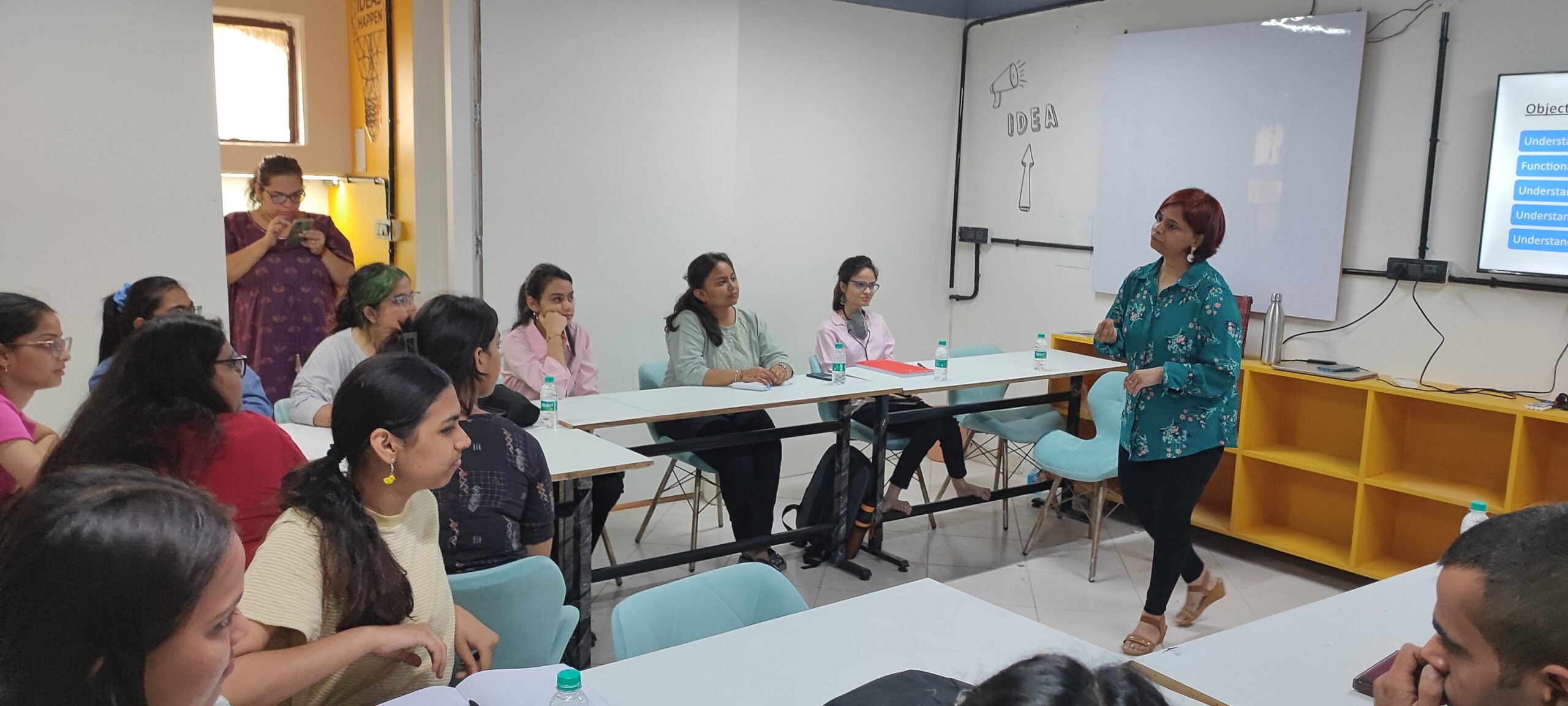
A structured offline internship for psychology students who want classroom learning, field exposure, supervised roleplays, psychological test exposure, case labs and a final portfolio presentation.
Format
100% Offline
Final Output
My Growth as a Psychology Trainee
Pitampura
Offline Centre
Mon–Sat
Program Days
12–2 PM
Time Slot 1
3–5 PM
Time Slot 2
Every Monday
Batches from 18 May
1 Week–2 Months
Track Duration
How long will each track take?
The internship runs Monday to Saturday. Each week includes 3 classroom training days and 3 practical exposure days, so students can clearly plan travel, college schedules and availability.
25 Hrs
6 days
Approx. 1 week
50 Hrs
12 days
Approx. 2 weeks / 0.5 month
80 Hrs
18 days
Approx. 3 weeks / 0.75 month
110 Hrs
24 days
Approx. 4 weeks / 1 month
150 Hrs
36 days
Approx. 6 weeks / 1.5 months
180 Hrs
36 days
Approx. 6 weeks / 1.5 months
210 Hrs
48 days
Approx. 8 weeks / 2 months
240 Hrs
48 days
Approx. 8 weeks / 2 months
Theory is only the beginning.
Every week blends explanation, demos, worksheets, roleplays, supervision, field observation and portfolio-building.
Classroom Lab
2-hour classes with explanation, demonstration, worksheet practice and case discussion.
Roleplay Practice
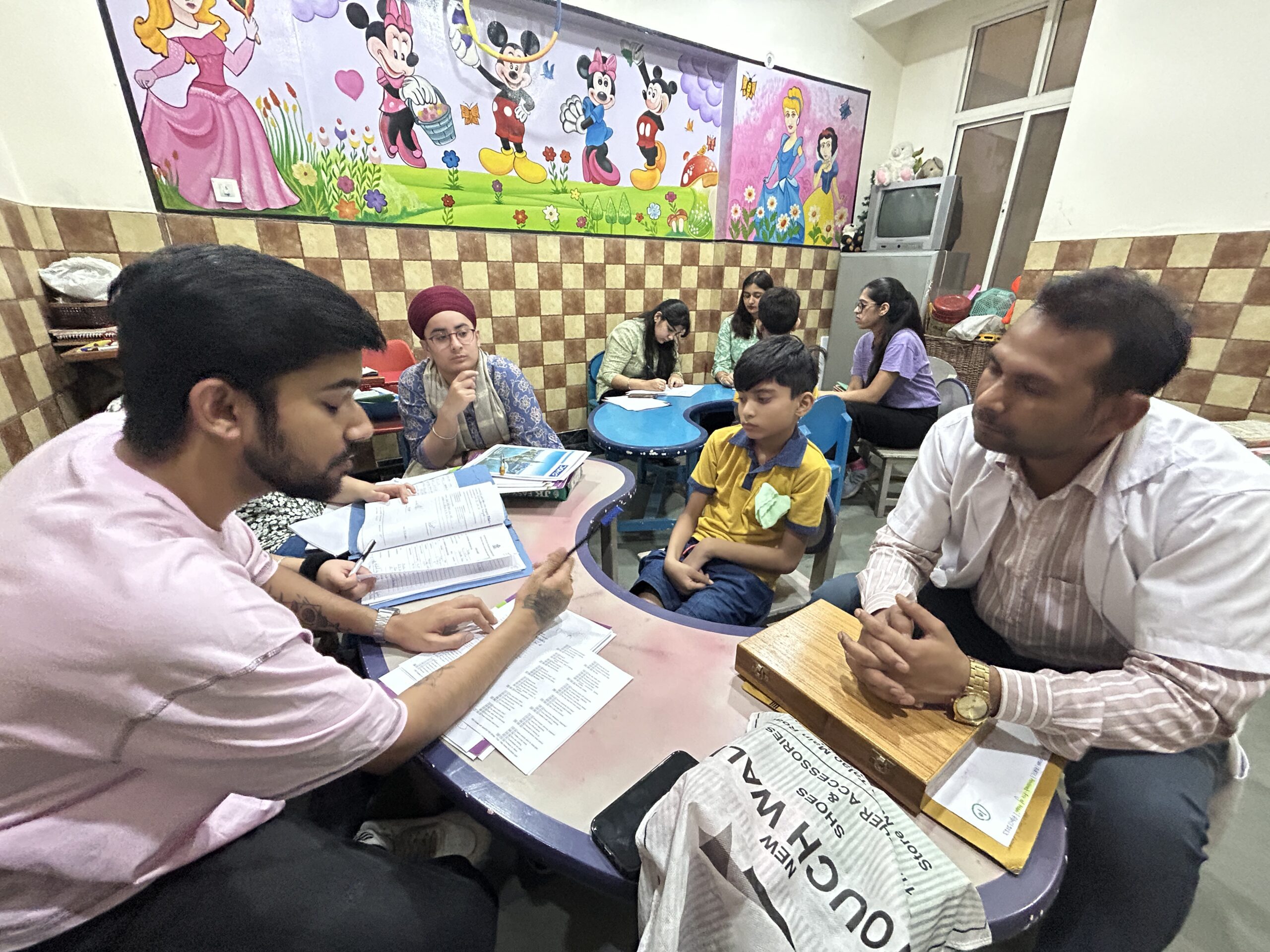
Therapist-client-observer drills, skill feedback forms, mock sessions and case-lab corrections.
Field Exposure
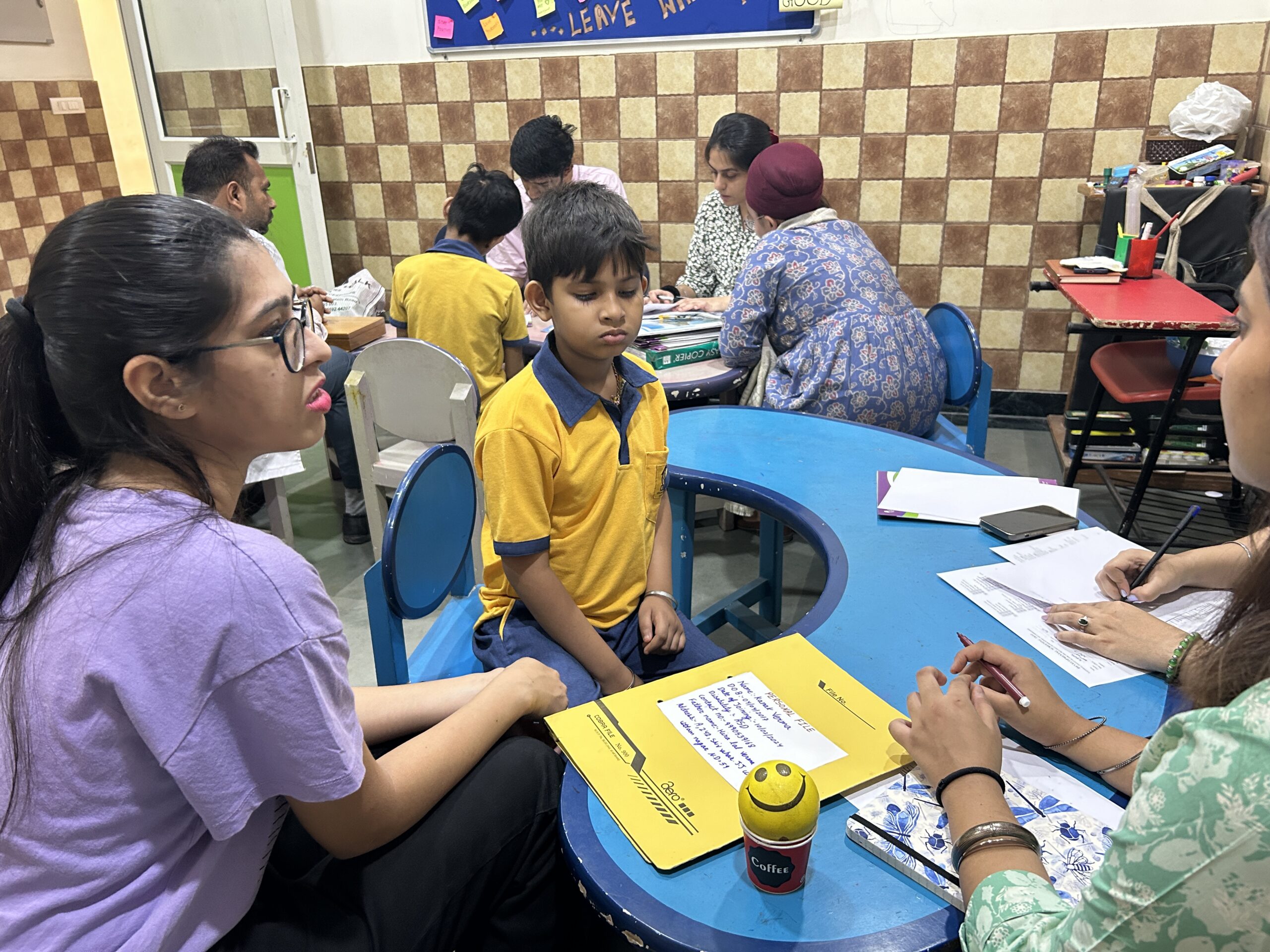
3 practical exposure days per week linked to the exact classroom topic of that level.
Other Internships vs. Offline Summer 5.0
Standard Summer Programs
- ✕Large groups where students mostly sit, listen and leave.
- ✕Theory repeated from college notes without real skill correction.
- ✕Observation without structured roleplay or therapist identity-building.
- ✕Certificate without clear portfolio proof of what was practiced.
Cognizavest Offline Summer 5.0
- ✓Small, supervised classroom experience with direct practice.
- ✓CBT, Behaviour Therapy, ACT, Art Therapy and assessment exposure.
- ✓3 days/week field/practical exposure connected to class topics.
- ✓Portfolio, roleplay records, feedback sheets and final growth presentation.
Why this offline internship stands out.
Multiple Lenses
Understand the same client concern through CBT, BT, ACT and Art Therapy instead of learning one technique in isolation.
Test Exposure
Guided overview and ethical exposure to MISIC, Bhatia Battery and TAT, without trainee-level misuse or diagnosis.
Supervised Practice
Roleplays, case labs, peer drills and correction-based learning so students know what to actually do in a session.
Portfolio Proof
Leave with worksheets, reflections, field notes, feedback records and a final trainee-growth presentation.
Field exposure is not a bonus. It is built in.
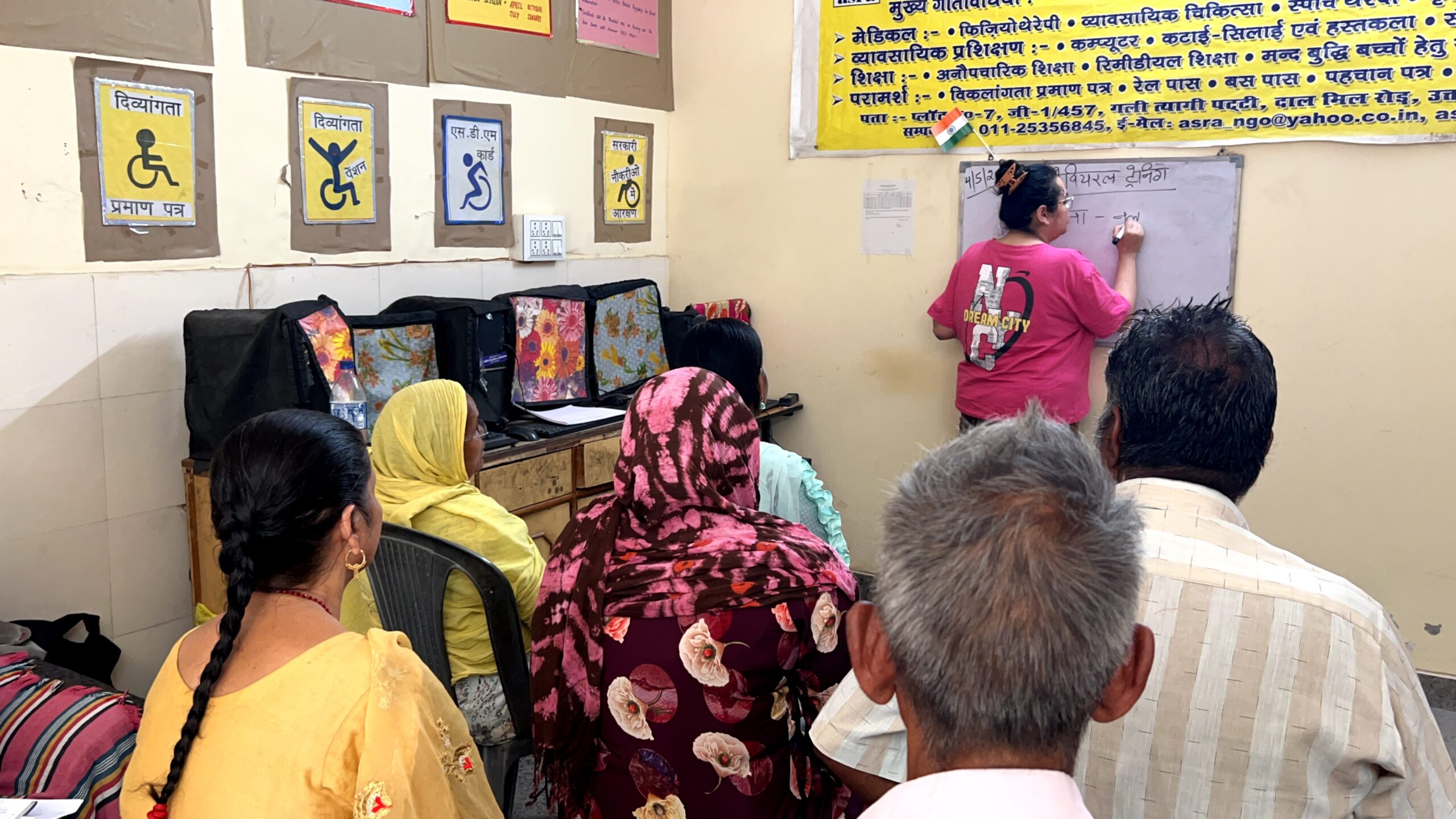
Students attend classroom training 3 days/week and practical exposure 3 days/week. Field work is linked to ethics, CBT, BT, ACT, art therapy, assessment exposure and documentation practice.
Observe Correctly
Professional setting, boundaries, communication style and ethical reflection.
Document Safely
Field notes, observation vs interpretation and supervisor-linked reflections.
Days/Week
Practical Exposure
Your Practical Portfolio.
These are the real outputs students build through class work, roleplays, field reflection and supervision.
CBT Worksheets
Thought-emotion-behaviour mapping, automatic thoughts and beginner restructuring practice.
ACT Exercises
Values card work, defusion sentences and committed action planning.
Case Lab Sheets
Integrated case worksheets across CBT, BT, ACT and Art Therapy lenses.
Test Reflection
Ethical assessment reflection notes for MISIC, Bhatia Battery and TAT exposure.
Roleplay Record
Therapist-client-observer feedback records and skill improvement tracking.
Field Notes
Observation checklists, field reflections and documentation practice.
Workshop Plan
Psychoeducation plan, handout creation and group facilitation reflection in higher tracks.
Final Presentation
My Growth as a Psychology Trainee: a structured presentation of skill development and supervised work.
Your journey from student to trainee practitioner.
Therapist Role + Ethics
Understand confidentiality, boundaries, rapport, trainee role and how to observe without diagnosing.
Micro-Skills + Therapy Labs
Practice attending, questioning, paraphrasing, summarising, reflection of feeling, validation, CBT, BT, ACT and art-based skills.
Assessment + Case Lab
Move into psychological test exposure, integrated case understanding, therapy simulation and supervisor feedback.
Advanced Documentation
In longer tracks, add case history, MSE, session notes, field notes, psychoeducation, group facilitation and referral decision-making.
Portfolio + Growth Presentation
Compile roleplays, skill checklists, reflections, worksheets, feedback and present your professional growth as a psychology trainee.
Hour-wise syllabus tracks.
Each track includes classroom training, case lab work, assignments, portfolio evidence and practical exposure.
Best for a short, foundation-level offline exposure.
- ✓ Therapist role, ethics, confidentiality and rapport
- ✓ Counselling micro-skills practice
- ✓ Basic CBT triangle and automatic thoughts
- ✓ Basic behaviour observation and ABC model
- ✓ Field observation checklist
- ✓ One roleplay record
- ✓ One field reflection
- ✓ Final supervision closure/debrief
Includes the 25-hour foundation plus expanded therapy skills practice.
- ✓ CBT thought record and cognitive distortion practice
- ✓ Behaviour activation and behaviour tracking
- ✓ ACT values clarification and cognitive defusion
- ✓ Art Therapy safe-place and emotion map activities
- ✓ CBT observation task
- ✓ Behaviour observation task
- ✓ ACT values observation
- ✓ Art/activity reflection
Adds assessment exposure and stronger portfolio evidence.
- ✓ Psychological test exposure: MISIC, Bhatia Battery, TAT
- ✓ Difference between screening, assessment and diagnosis
- ✓ Ethics in psychological test use
- ✓ Integrated case worksheet
- ✓ Assessment observation reflection
- ✓ TAT response discussion
- ✓ Mini portfolio evidence
- ✓ Case-lab linkage tasks
A deeper skills track with stronger field documentation and therapy reflection.
- ✓ All modules 1–8 in structured depth
- ✓ Peer roleplay with feedback correction
- ✓ Therapy simulation and intervention idea-building
- ✓ Skill improvement tracking
- ✓ Longer field report
- ✓ Documentation practice
- ✓ Therapy skills reflection
- ✓ Portfolio file preparation
Advanced track begins: case history, MSE and documentation are added.
- ✓ Case history: presenting complaint, history, family, personal and academic/occupational areas
- ✓ MSE: appearance, speech, mood, affect, thought, perception, cognition, insight and judgment
- ✓ Session note and field note writing
- ✓ Observation vs interpretation correction
- ✓ Case history format practice
- ✓ MSE observation from sample case
- ✓ Intake roleplay
- ✓ Field-based case reflection
Adds psychoeducation and group facilitation practice.
- ✓ Psychoeducation meaning and age-appropriate awareness planning
- ✓ Workshop objective writing and activity planning
- ✓ Handout creation and handling participant questions safely
- ✓ Group rules, opening, participation and closure
- ✓ 20-minute psychoeducation plan
- ✓ Mini workshop presentation
- ✓ Group activity roleplay
- ✓ Facilitator self-reflection
Adds crisis flagging and referral decision-making within trainee limits.
- ✓ What counts as crisis
- ✓ Self-harm warning signs and abuse/safety concerns
- ✓ When to inform supervisor
- ✓ Referral language and documentation of concern
- ✓ Crisis vignette decision task
- ✓ Supervisor reporting roleplay
- ✓ Referral note draft
- ✓ Advanced roleplay feedback
The deepest offline track with full mock sessions and final portfolio mastery.
- ✓ Full mock session practice
- ✓ Agenda setting and exploration of concern
- ✓ Worksheet use inside session
- ✓ Session closure and feedback integration
- ✓ Complete portfolio file
- ✓ Advanced therapy skills record
- ✓ Professional identity reflection
- ✓ Final presentation: My Growth as a Psychology Trainee
Field work for every level.
Field visit is not a separate module; it is linked with classroom teaching throughout the internship.
25 Hrs
6 practical days
Professional setting observation, boundary identification, communication style and one field reflection.
50 Hrs
12 practical days
Adds CBT observation, behaviour observation, ACT values observation and art/activity reflection.
80 Hrs
18 practical days
Adds assessment reflection, case-lab linkage and mini portfolio evidence.
110 Hrs
24 practical days
Adds longer field report, documentation practice and therapy skills reflection.
150 Hrs
36 practical days
Adds case history observation, MSE orientation, session note sample and field-based case reflection.
180 Hrs
36 practical days
Adds psychoeducation planning, group activity observation and workshop handout creation.
210 Hrs
48 practical days
Adds crisis/referral vignette work, supervisor reporting practice and advanced roleplay feedback.
240 Hrs
48 practical days
Adds full portfolio evidence, mock sessions and final growth presentation preparation.
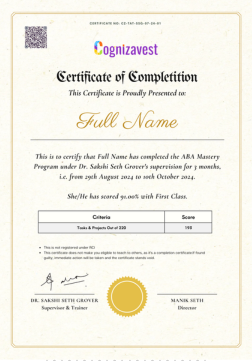
A certificate that carries your actual hours.
Students receive certification aligned with their selected hours, along with portfolio evidence and supervised learning records that make the internship more meaningful than a generic certificate.
Hours Mentioned
Track-specific certification.
Portfolio Proof
Worksheets + reflections.
Meet your Trainers.
Learn directly from practicing mental health professionals and trainers.

Dr. Sakshi Seth Grover
PhD in Psychology, PGDRP (RCI CRR- A118591), Counsellor, Psychotherapist, Career Coach, Family Therapist & Organizational Psychologist. Over 11+ Years of Experience.

Khushi Bhardwaj
M.Sc. (Psychology), B.Sc. (Clinical Psychology). Dedicated to practical learning, roleplays and student skill development.

Shreya Dasmana
M.A. (Applied Psychology), B.A. Hons. (Sociology), PGDP in Guidance & Counseling.
Choose your offline depth.
Use the hour selector to choose your internship track, batch date and preferred offline time slot. The program runs Monday to Saturday, and each hour option shows its approximate duration in days, weeks and months.
Program Days: Monday to Saturday
3 classroom days + 3 practical exposure days every week.
2 Offline Time Slots
12–2 PM and 3–5 PM.
Duration Shown by Track
25 hours to 240 hours shown with days, weeks and months.
Select Batch Date
RequiredChoose Your Hours
Choose Offline Time Slot
25 Hours
6 program days • approx. 1 week
Secure SSL Checkout • Offline Program • Cognizavest Delhi Centre
Don’t just take our word for it.
Feedback from learners who valued practical, case-based and trainer-led psychology learning.
“Thank you so much for an incredible course. You broke complex formulations into practical, actionable steps.”
Arnav Dev Singh
Mentored by Dr. Sakshi
“She was very interactive and vigilant and made it super interesting by sharing real-world experiences.”
Nunamphung P.
Mentored by Khushi Bhardwaj
“The sessions were thoughtfully structured and created a safe, non-judgmental space.”
Sridhar Chadalawada
Mentored by Dr. Sakshi
“Live roleplays turned complex terms into ideas that made sense.”
Aswini Mishra
Mentored by Dr. Sakshi
“It helped a lot, especially the role plays. I got confident in working with clients.”
Prerna
Mentored by Dr. Sakshi
“The resource person was well informed, warm and friendly. Overall an amazing supervision experience.”
Ahmad
Mentored by Cognizavest Team
“Thank you so much for an incredible course. You broke complex formulations into practical, actionable steps.”
Arnav Dev Singh
Mentored by Dr. Sakshi
“She was very interactive and vigilant and made it super interesting by sharing real-world experiences.”
Nunamphung P.
Mentored by Khushi Bhardwaj
Got Questions?
Is this internship online or offline?
This page is for the offline Summer Internship 5.0 at the Cognizavest centre. It includes classroom training and practical exposure.
How many days per week will students attend?
The structure includes 3 classroom training days per week and 3 days per week of field visit/practical exposure, based on the selected hours track.
What is the final portfolio?
The portfolio includes roleplay records, counselling skills checklist, worksheets, field reflections, feedback sheets and the final presentation: “My Growth as a Psychology Trainee.”
Can students diagnose during field visits?
No. Students observe, reflect and document under ethical limits. Diagnosis is not part of trainee field exposure.